
Ledger®® Live: Desktop® — Getting Started | official Ledger™
Ledger Live Desktop provides useful tools for viewing wallet information, tracking assets, checking balances, and managing crypto transactions.
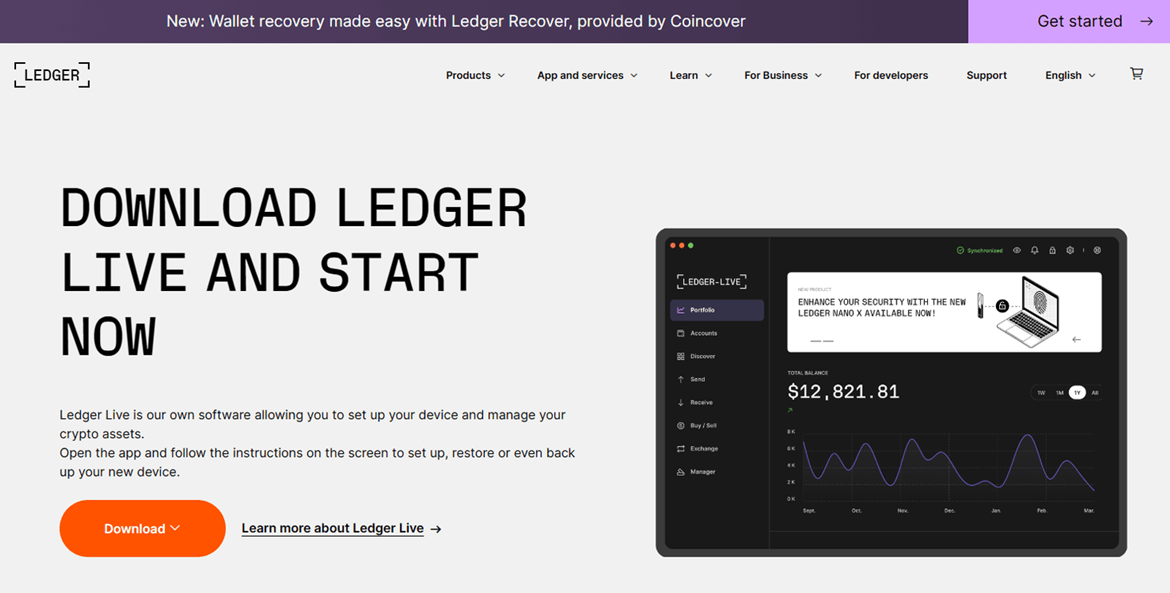
Ledger Live Desktop: A Simple Way to Organize Your Digital Asset Workflow
Managing several digital assets can become difficult when account information, transactions, and wallet activities are not organized. A desktop-based wallet interface can provide a convenient environment for reviewing supported accounts and creating a consistent management routine.
For Ledger hardware wallet users, Ledger Live Desktop can be part of that workflow. Instead of learning every feature at once, beginners can start by creating a clear process for everyday wallet activities.
Start With a Clean Setup
Before using any desktop wallet application, prepare a computer that you trust and control.
Avoid performing sensitive wallet operations on public or shared computers. Keep your operating system maintained and limit unnecessary software installations.
A familiar computer environment makes it easier to recognize the programs and services you normally use.
Verify Your Software Source
Always pay attention to where your wallet application comes from.
Use official Ledger resources when obtaining Ledger Live Desktop. Avoid unofficial download pages, modified applications, and files shared through unknown accounts.
If someone sends you a download link unexpectedly, do not install it simply because the message uses familiar Ledger branding.
Connect the Hardware Wallet
Once the desktop environment is ready, connect your Ledger device according to the official setup instructions.
The desktop application can provide account information and transaction controls, while the physical device is used for important authorization steps.
Understanding these separate roles can make the overall workflow easier to follow.
Keep Accounts Organized
If you work with multiple supported assets, account organization becomes useful.
Know which accounts you have created and which assets are associated with them. Before starting a transaction, check the selected account rather than assuming the application has chosen the one you want.
A few seconds of checking can prevent unnecessary confusion.
Use the Dashboard as an Overview
The main wallet interface can provide a convenient overview of your accounts and activity.
Spend time learning where balances, accounts, and transaction records are displayed.
The goal is not to memorize every option but to know where to find information when you need it.
Review Activity Regularly
Transaction history can help you keep track of previous wallet operations.
Review recent activity periodically and become familiar with the transactions you recognize.
If you see something unexpected, do not immediately perform another transaction. Pause and investigate the activity through reliable sources.
Create a Receiving Routine
When receiving digital assets, begin by selecting the correct account and asset.
Review the receiving address carefully before sharing it. When device verification is available, use the hardware wallet to confirm the address.
For important transfers, avoid relying on a quick copy-and-paste without checking the destination.
Create a Sending Routine
Sending requires a more detailed review.
Check the recipient, amount, asset, network information, and applicable fees. Once the transaction is prepared, compare the information with what appears on the Ledger device.
Approve only when the details match your intention.
Understand Network Processing
Transactions may not always appear as completed immediately.
Network conditions can affect processing and confirmation times. If a transaction remains pending, review its status and allow appropriate time for processing.
Understanding this process can prevent repeated or unnecessary actions.
Protect Recovery Information
Your recovery information should remain private regardless of how you access your wallet.
Never share it with someone claiming to provide technical support. Do not enter it into an unfamiliar website or send it through email or messaging applications.
If a request seems unusual, stop and verify it through official resources.
Keep Your Desktop Environment Consistent
Avoid frequently changing wallet applications, browser extensions, or other software simply because someone online recommends them.
A controlled environment makes it easier to understand your normal wallet workflow and identify unexpected changes.
Develop a Personal Checklist
A short checklist can make important transactions easier to review.
Before approval, check the account, asset, recipient, amount, network, and transaction details shown on the hardware device.
Once this becomes a habit, it can take only a few moments.
Conclusion
Ledger Live Desktop can be a practical component of a desktop-based Ledger wallet workflow. The key to keeping that workflow organized is consistency: use trusted software sources, understand your accounts, review transaction history, verify addresses, and carefully approve transactions through the hardware device.
Start with the basics, keep your setup controlled, and gradually expand your knowledge as you become more comfortable with digital-asset management.
Updated about 7 hours ago