
Ledger®® Live: Desktop® — Getting Started | official Ledger™
Ledger Live Desktop helps you manage wallet accounts, monitor crypto balances, review assets, track portfolio activity, and handle transfers.
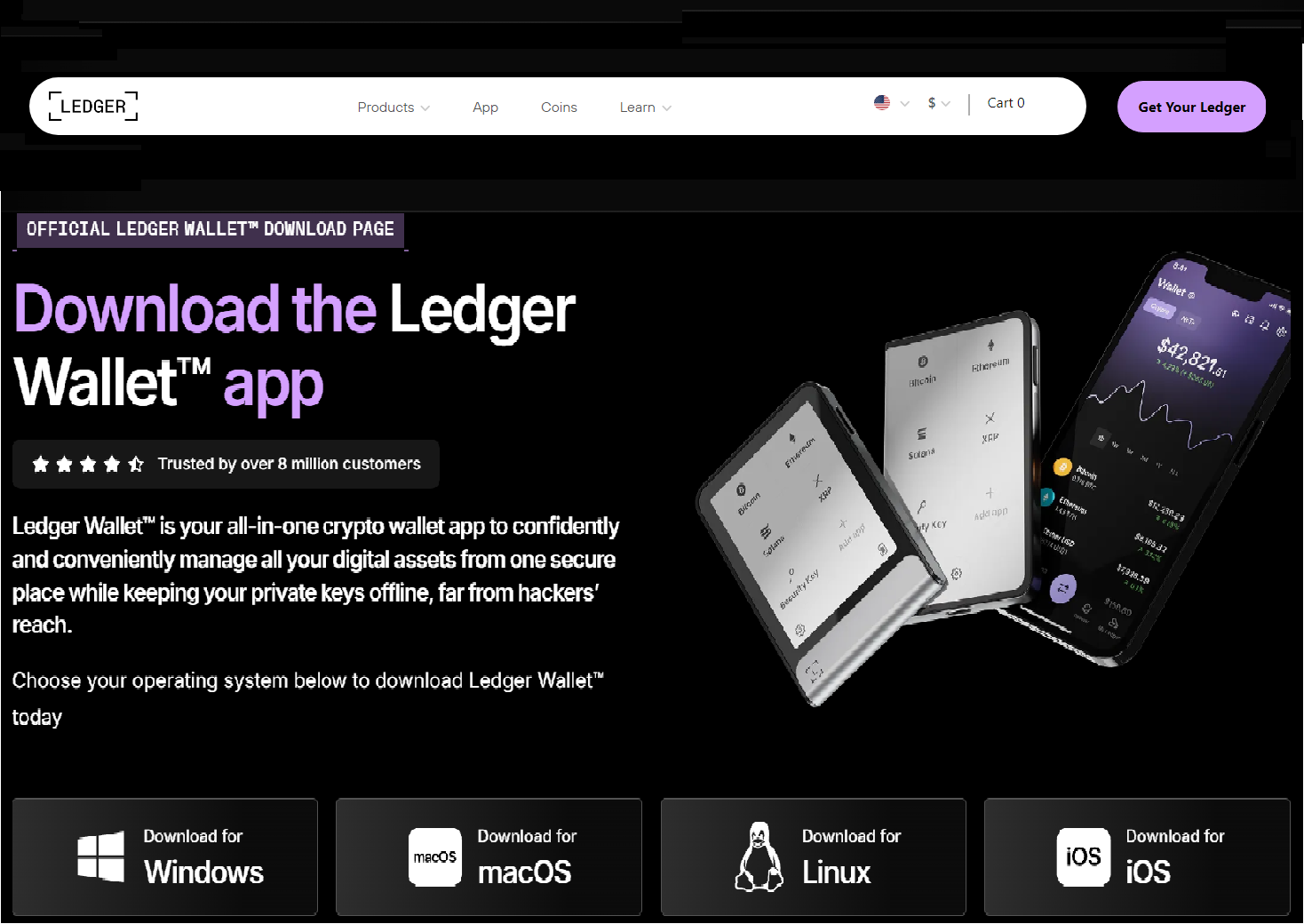
Ledger Live Desktop: A Practical Guide to Managing Your Crypto From a Computer
Managing digital assets from a desktop environment can make it easier to review account information, monitor transactions, and organize a regular wallet routine. For users working with a Ledger hardware wallet, Ledger Live Desktop provides a computer-based interface for interacting with supported accounts and wallet functions.
Whether you are installing the application for the first time or simply learning how to use it more effectively, understanding the basic workflow can make the experience easier to follow.
Start With a Trusted Download
The first step is obtaining the desktop application from an official Ledger source.
Avoid downloading wallet software from random websites, file-sharing pages, or links received through unsolicited messages. Fake applications can imitate legitimate wallet software and may be designed to collect sensitive information.
Before installing anything, verify the source and make sure you are using the appropriate version for your computer.
Prepare Your Desktop Environment
A familiar and well-maintained computer is a sensible environment for managing digital assets.
Use a computer that you control and keep its operating system maintained. Avoid installing unknown programs at the same time as your wallet software.
You should also avoid using public or shared computers for sensitive wallet operations.
Connect Your Ledger Device
After installing the appropriate desktop software, connect your Ledger hardware wallet according to the official instructions.
The desktop application provides an interface for viewing supported accounts and managing wallet activity, while the hardware device remains involved in important authorization steps.
Make sure the physical device is connected when an operation requires confirmation.
Explore the Dashboard
Before making transactions, take some time to understand the application interface.
Depending on the supported features and configuration, you may find account balances, transaction activity, portfolio information, and other wallet functions within the desktop environment.
Learning where important information appears can make future sessions much more comfortable.
Add and Organize Accounts
A clear account structure can make digital-asset management easier.
If you manage multiple assets, take time to understand which account belongs to which asset. Avoid creating unnecessary accounts simply because you are exploring the interface.
Keeping your setup organized can reduce confusion when reviewing balances or preparing transfers.
Review Transactions Carefully
Transaction information is an important part of desktop wallet management.
Before approving a transfer, review the destination, amount, asset, and relevant network details. Pay attention to applicable fees and other information displayed by the application.
The final approval should also be reviewed on your Ledger device.
Use the Hardware Device for Confirmation
The computer interface is convenient, but important transaction information should not be accepted automatically.
When the Ledger device displays details for approval, compare them with what you intended to send.
If the information does not match, stop the transaction and investigate before continuing.
Monitor Account Activity
Ledger Live Desktop can also be useful for reviewing previous wallet activity.
Checking transaction history periodically helps you understand your account and recognize transactions you remember making.
If you notice activity that you do not recognize, pause before performing additional transactions and investigate through reliable support resources.
Keep Recovery Information Private
Your recovery information should never be entered into the desktop application simply because someone tells you to do so.
Keep it private and secure. Never share it with online contacts or supposed support representatives.
If someone claims they need your recovery phrase to synchronize, unlock, or verify your wallet, treat the request as suspicious.
Handle Updates Carefully
Desktop wallet software may require updates, but update requests should come from trusted sources.
Avoid installing files from unexpected popups, emails, or private messages. Instead, verify update information through official Ledger resources.
This habit helps keep your software environment more controlled.
Build a Consistent Workflow
A simple routine can make desktop wallet management easier.
Start from trusted software, connect your hardware device, select the correct account, review transaction details, confirm information on the device, and keep sensitive recovery information protected.
Following the same process each time can reduce avoidable mistakes.
Conclusion
Ledger Live Desktop offers a convenient computer-based environment for managing supported digital assets with a Ledger hardware wallet. A reliable experience begins with an official software source and continues with careful account organization, transaction review, device confirmation, and strong protection of recovery information.
Learning the desktop interface gradually can help turn an unfamiliar setup into a clear and repeatable wallet management routine.
Updated about 7 hours ago