
Ledger®® Live: Desktop® — Getting Started | official Ledger™
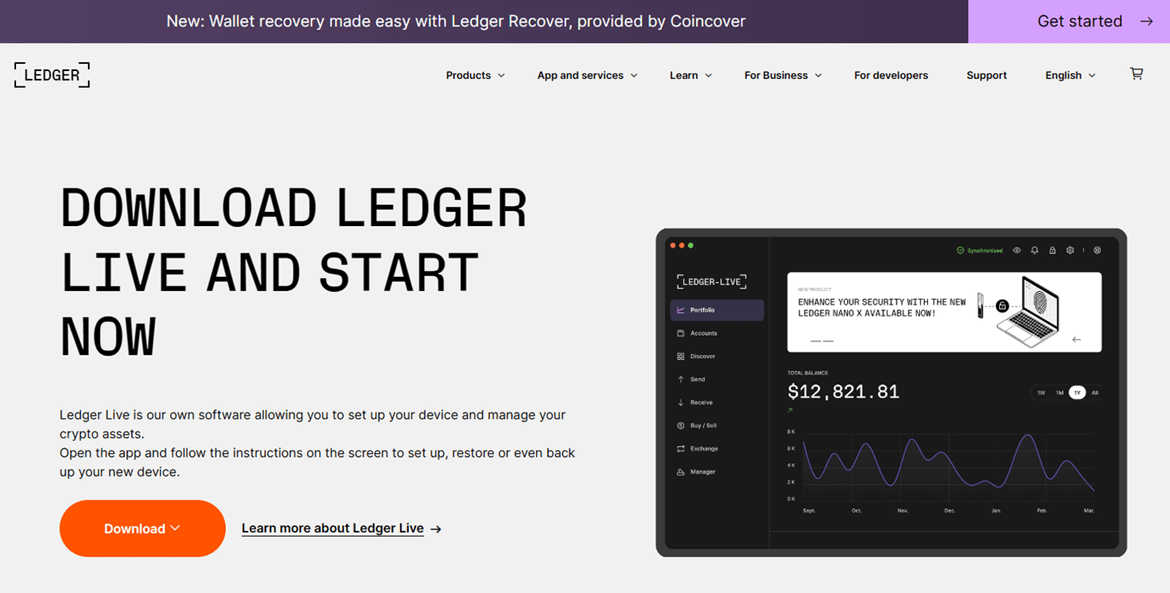
Ledger Live Desktop brings wallet management to your computer with features for monitoring accounts, reviewing holdings, and managing transactions.
Ledger Live Desktop: Understanding Transaction Confirmation From Start to Finish
A cryptocurrency transaction does not always move from “send” to “complete” instantly. For beginners, understanding what happens between preparing a transaction and seeing its final status can make desktop wallet management much easier.
Ledger Live Desktop provides an interface where users can review supported accounts and initiate wallet activities while using a Ledger hardware wallet for transaction authorization.
Begin With the Correct Account
Before preparing a transaction, identify the account you intend to use.
If your wallet contains several accounts, check the account name and asset carefully. Selecting the wrong account can create unnecessary confusion during the transaction process.
Enter the Recipient Carefully
When sending digital assets, the recipient address is one of the most important pieces of information.
Enter the destination carefully and review it before continuing. If you copied the address, do not assume that copying alone makes it correct.
For important transfers, use the available hardware-device verification process to compare transaction information.
Check the Amount
Next, review the amount you intend to send.
Make sure you understand whether the displayed amount represents the amount being transferred, the applicable network fee, or the total amount deducted from the account.
Taking a moment to review these details can help prevent avoidable mistakes.
Understand Network Fees
Transactions may involve network fees required for processing.
The fee can depend on the blockchain and current network conditions. It is therefore useful to review the fee information displayed during the transaction process instead of assuming that every transfer costs the same amount.
Confirm Through the Hardware Wallet
After preparing the transaction on your computer, the Ledger device can provide a separate confirmation step.
Read the transaction details displayed on the physical device carefully. Compare them with your intended recipient and amount.
Only approve the transaction when the information matches what you expect.
What Happens After Approval?
Once a transaction is approved and submitted, it may enter a processing or pending state.
The transaction then needs to be handled by the relevant blockchain network. Depending on network activity and other factors, confirmation may take some time.
A pending transaction does not necessarily indicate that something has gone wrong.
Monitor the Status
Ledger Live Desktop can help you review transaction activity and status information.
After submitting a transfer, check the relevant transaction record rather than repeatedly initiating another transaction.
If you are unsure about the status, investigate the existing transaction first.
Why Confirmation Matters
Blockchain transactions are generally designed to be verified through network processes rather than through a traditional bank-style approval system.
Understanding this difference helps users set realistic expectations.
The desktop application provides a convenient interface, but the underlying blockchain determines how the transaction is processed and confirmed.
Keep a Record of Important Activity
For users who manage digital assets regularly, keeping personal records can be useful.
You might record transaction dates, purposes, account names, and other information relevant to your own tracking needs.
Good records can make it easier to understand your wallet activity over time.
Avoid Panic During Delays
Network processing can sometimes take longer than expected.
Instead of immediately changing settings or submitting another transaction, review the existing transaction information and consult reliable documentation.
Avoid taking advice from random online accounts that ask you to reveal recovery information or transfer funds elsewhere.
Security Still Matters After Sending
Wallet security does not end when a transaction is submitted.
Continue protecting your recovery information and remain cautious about messages claiming that your transaction needs to be “unlocked,” “verified,” or “recovered” through an unfamiliar website.
Conclusion
Understanding transaction confirmation makes Ledger Live Desktop easier to use. Start by selecting the correct account, verify the recipient and amount, review network fees, and carefully confirm transaction details on your Ledger device.
After submission, monitor the transaction status and allow the blockchain network time to process it. A calm, consistent workflow can make everyday wallet management much clearer.
Updated about 7 hours ago