
Ledger®® Live: Desktop® — Getting Started | official Ledger™
Ledger Live Desktop lets you follow wallet activity from your computer while checking balances, viewing assets, and managing supported transactions.
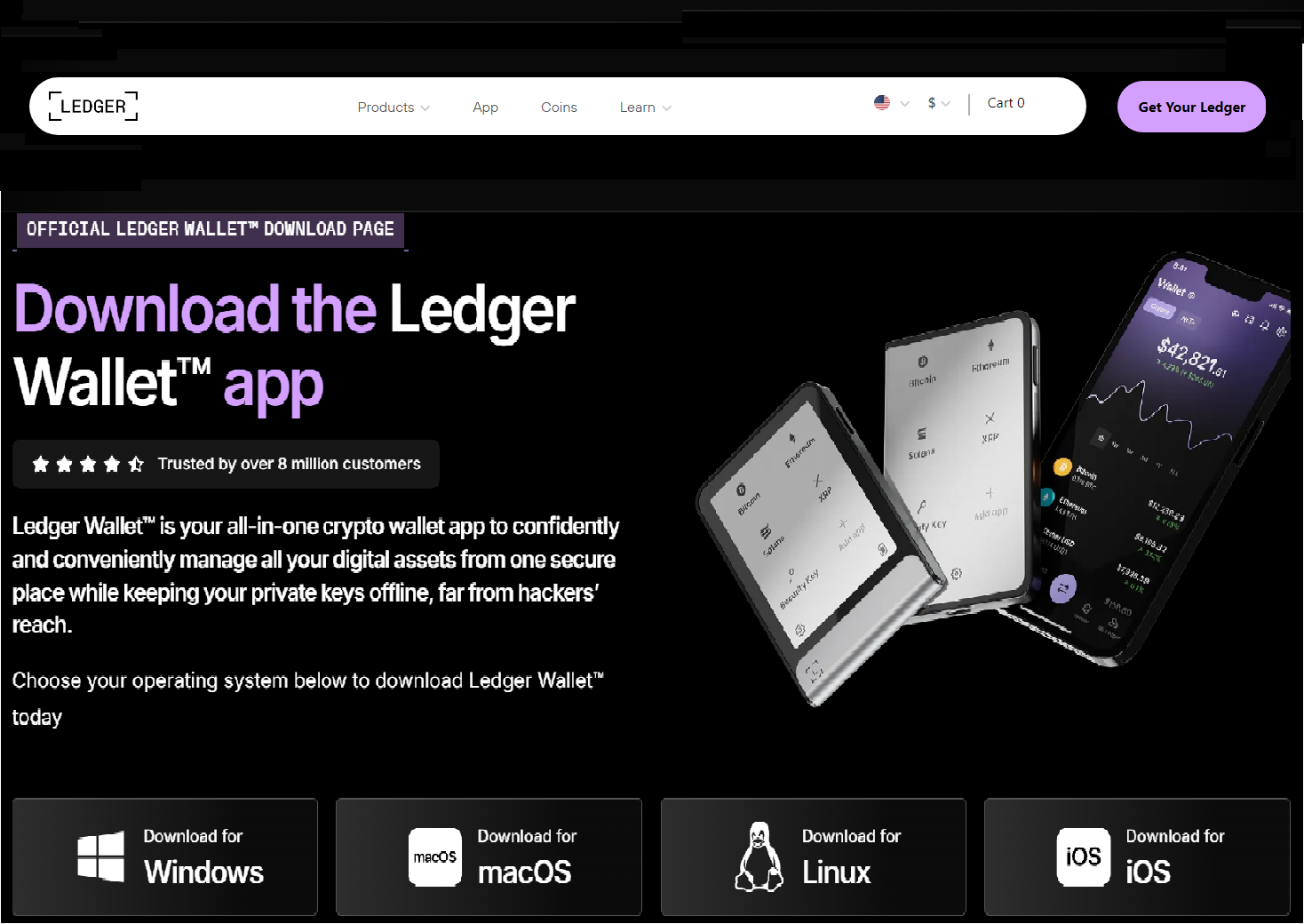
Ledger Live Desktop: A Practical Guide to Managing Your Wallet Information
Managing digital assets involves more than sending and receiving cryptocurrency. It also requires keeping track of accounts, transaction activity, addresses, and the information associated with each wallet.
Ledger Live Desktop offers a desktop environment where users can review supported wallet information and interact with their Ledger hardware device. For beginners, learning how to organize this information can make everyday wallet management easier.
Start by Understanding Your Accounts
The first step is knowing what accounts you have.
If you manage several supported assets or multiple accounts, take some time to understand the purpose of each one. Clear organization can help you avoid selecting the wrong account when performing a transaction.
You do not need a complicated system. A simple structure that makes sense to you is usually easier to maintain.
Review Balances With Context
A displayed balance is useful, but it should be viewed in context.
When checking an account, confirm the asset associated with it and review recent activity. If something appears different from what you expected, investigate before taking further action.
Avoid making an immediate transfer simply because a balance looks unusual.
Keep Transaction History Useful
Transaction history can provide a helpful record of wallet activity.
Review recent transactions periodically and become familiar with the information shown for each entry. If you frequently use your wallet, keeping your own notes about important transfers can make long-term tracking easier.
Personal records can also help distinguish routine transactions from unusual activity.
Pay Attention to Addresses
Addresses are an important part of cryptocurrency management.
When receiving funds, confirm that the address belongs to the intended account before sharing it. When sending funds, carefully review the destination before approving the transaction.
For significant transfers, use the hardware wallet's available verification process rather than relying only on what appears on the computer screen.
Separate Public and Private Information
Not every piece of wallet information has the same security requirements.
A receiving address may be shared when appropriate, while recovery information must remain private.
Understanding this distinction is important. Never treat sensitive recovery information like an ordinary wallet address.
Protect Recovery Information
Recovery information should remain under your control.
Do not send it through email, messaging applications, or social media. Avoid entering it into websites that claim to verify or repair your wallet.
If someone requests it while offering technical assistance, stop and verify the request independently.
Review Transaction Details Before Approval
Before sending assets, create a deliberate review stage.
Check the account, asset, recipient, amount, network, and applicable fee information.
Then compare the transaction details shown on the physical Ledger device. If anything differs from your intention, do not approve the transaction until the difference is understood.
Understand Transaction Status
After submitting a transaction, check its status instead of assuming that it has completed immediately.
Blockchain networks may require time to process transactions. Network conditions can influence confirmation times.
If an entry remains pending, review the existing transaction rather than automatically creating another one.
Keep Your Desktop Environment Controlled
Your wallet information is managed through software running on your computer, so the computer itself matters.
Use a device you control and be cautious about unfamiliar applications, extensions, and downloads.
A clean and familiar environment makes unexpected changes easier to recognize.
Use Official Information for Troubleshooting
If you encounter an issue, search for assistance through appropriate official resources.
Avoid following instructions from strangers who request remote computer access or sensitive wallet information.
A technical problem should never pressure you into revealing private recovery details.
Develop a Review Schedule
You can make wallet organization easier by reviewing your accounts periodically.
Look at recent activity, confirm that your account structure still makes sense, and remove unnecessary confusion from your personal record-keeping system.
Regular review is often easier than trying to reconstruct months of activity later.
Conclusion
Ledger Live Desktop can provide a convenient way to view and manage supported wallet information from a computer. Effective management starts with clear account organization and continues with careful address verification, transaction review, private-information protection, and regular activity checks.
By treating wallet information systematically, users can create a more predictable desktop experience and make important actions easier to verify.
Updated about 24 hours ago